HueArts NYC
Mapping a Future for Arts Entities Founded and Led by Black, Indigenous, Latinx, Asian, Pacific Islander, Middle Eastern, and all People of Color in New York City

Opening Letter
As a lifelong New Yorker, I have experienced the tremendous work of many of the arts entities centered in the HueArts NYC initiative. My earliest introduction was as a child growing up in Flatbush, Brooklyn. I remember visiting Weeksville Heritage Center, a multidisciplinary museum dedicated to preserving the history of the 19th-century African American community in Brooklyn. It became a major inspiration for my interest in museums and preservation. Its restoration and designation as a historic site was spearheaded by Dr. Joan Maynard, an artist, noted preservationist, and community organizer. She led the Center for over 25 years, from its inception in 1974 to her retirement in 1999.
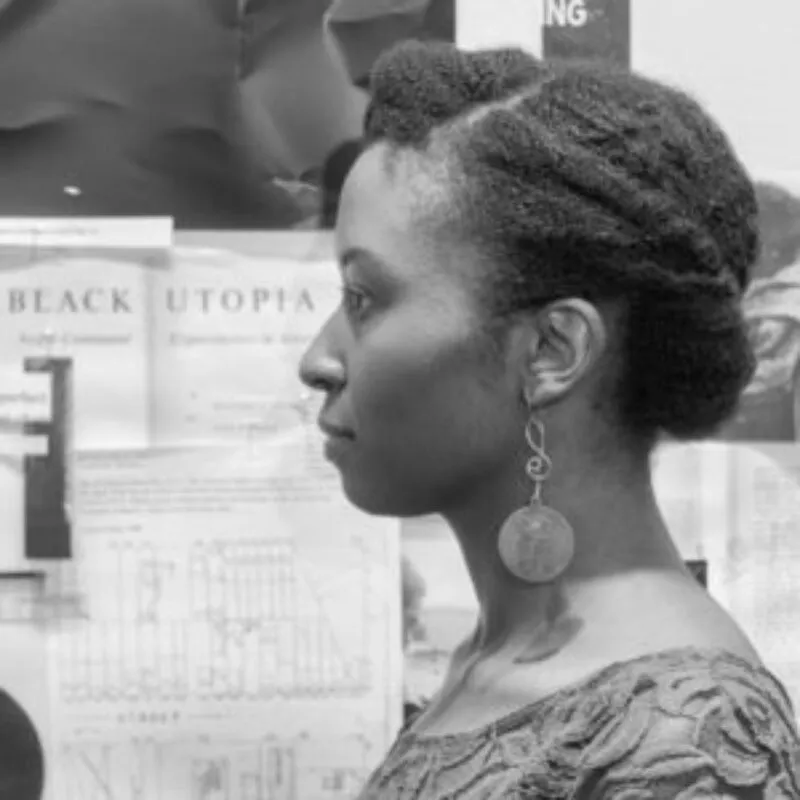
Stephanie Johnson-Cunningham
I learned a great deal about the space, especially the importance of self-sufficiency. I participated as a visitor at numerous public events: writing workshops, lecture series, performances, exhibitions, farmers markets, dance parties, and more. While attending college, I interned at Weeksville, and then a few years later I was hired to assist in its community-engagement efforts.
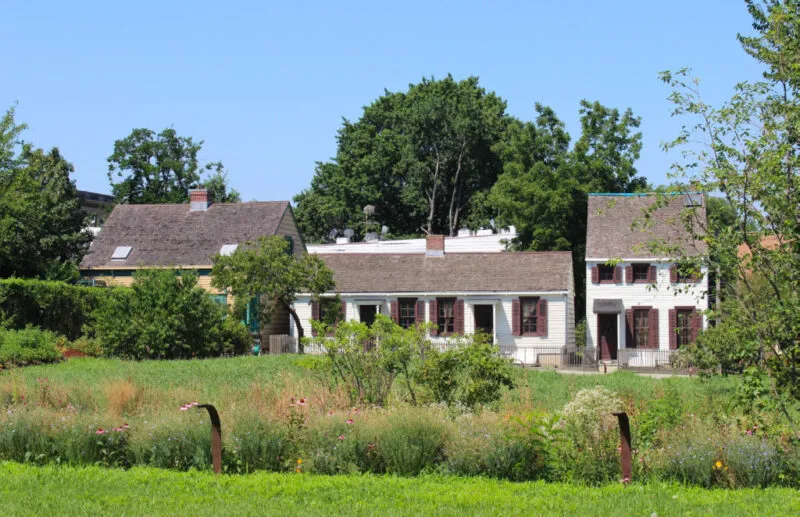
The Weeksville Heritage Center. Image Source: Alamy
The near closure of Weeksville in 2019 devastated me. The then executive director, Rob Fields, publicly announced that the Center had operated in the red for a decade and would need new funding in order to stay afloat. A bold crowdsourced fundraising campaign that leveraged community advocacy, involvement of elected officials, and press coverage resulted in donations from hundreds of people nationally and internationally. The Center eventually exceeded its initial fundraising goal and also received coveted Cultural Institutions Group (CIG) status that includes permanently designated annual funds from the New York City Department of Cultural Affairs. This allowed the doors of the Center to stay open.
In some ways, this experience was a wake-up call for me. Prior to this, I had never really imagined the possibility of the Center shutting down. In witnessing this crisis, I felt powerless. I found myself reflecting on the countless other places created by Black people that no longer existed due to funding deprivation.
These entities, and others like them, deserve a collective commitment to their survival from our communities, philanthropists, businesses, and elected officials. What message is society sending when white art spaces are far more resourced to acquire, showcase, and commission works by Black artists who are often first nurtured, mentored, and exhibited at insufficiently funded Black cultural institutions? The value of Black art should be extended into the communities and institutions that nurture them. As an arts professional, I wanted to get involved in efforts to make this happen and was inspired to seek out and support arts entities owned and led by Black, Indigenous, Latinx, Asian, Pacific Islander, Middle Eastern, and all People of Color.
In the Brooklyn I know and love, there are also festivals such as the West Indian American Day Parade Carnival, which celebrates Caribbean art, culture, and heritage and represents people and traditions hailing from Africa, Asia, and the indigenous communities of the islands. I’ve participated in the Carnival as a masquerader with Sesame Flyers camp and band. They have won the Carnival’s large band category about a dozen times thanks to their masterful steel pan orchestra and extraordinary costume designs.
In its over 50-year history, the Carnival has drawn hundreds of thousands of people from across the world and brought in millions of dollars in tourism to New York City. Over the past few years, however, the parade has been significantly stifled and relegated to a much shorter pathway and reduced time frame.
"What message is society sending when white art spaces are far more resourced to acquire, showcase, and commission works by Black artists who are often first nurtured, mentored, and exhibited at insufficiently funded Black cultural institutions?"
It is difficult to truly capture and share not only the diversity of artistic expression in our communities, but the devastating ways in which artists are deprived of the agency and support needed for their creative practices to thrive.
But one more example stands out to me. The Bronx is known as the birthplace of hip-hop, a cultural movement that spans music, visual art, and dance. Since the 1970s, this genre has grown into a multibillion-dollar industry. Yet the areas of the Bronx where this creative renaissance occurred remain one of the poorest congressional districts in the nation. That is not a coincidence: Art forms created by marginalized communities, and particularly by People of Color, are continuously removed from their origins and commodified by the white mainstream.
But art continues to thrive in the Bronx despite the challenges. The Bronx Academy of Arts and Dance (BAAD!) explores works on the margins of Black, Latinx, and queer cultures. I have been privileged to work with and learn from them and from many extraordinary arts entities throughout the process of creating and researching HueArts NYC. Some of them, like BAAD!, are featured in this report as Our Stories; even more contributed their thoughts and wisdom to this project.
The HueArts NYC initiative makes the case for greater agency, power, ownership, and resources for Black, Indigenous, Latinx, Asian, Pacific Islander, Middle Eastern, and all People of Color’s artistic practices in all forms across New York City. My hope is that this project creates a new paradigm for People of Color arts in NYC.
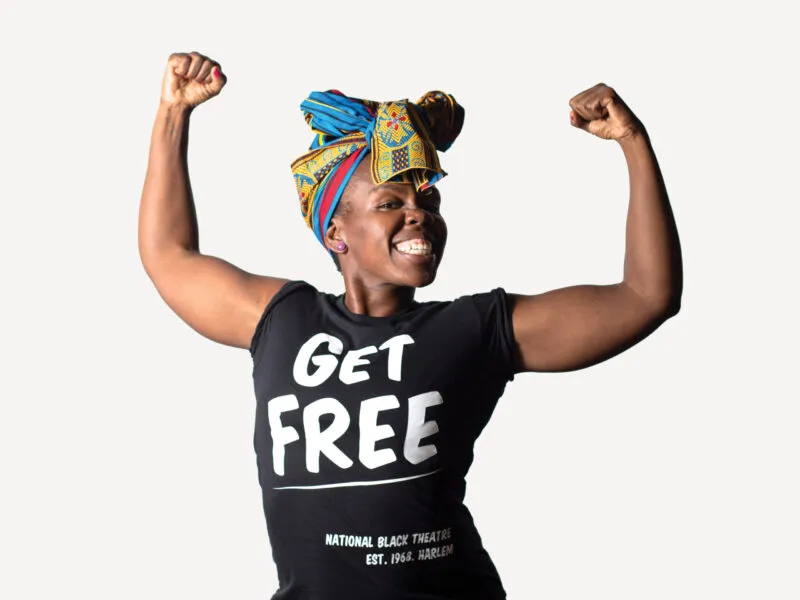
Top photo: Credit: National Black Theater
Stephanie Johnson-Cunningham Museum Hue
Arts entities that center the creativity, experiences, and perspectives of Black, Indigenous, Latinx, Asian, Pacific Islander, Middle Eastern, and all other People of Color are a critical part of the thriving culture of New York City. These entities, which are often founded as grassroots efforts and labors of love, offer opportunities to express creativity; provide a sense of belonging, history, and pride; and showcase the rich stories and creative practices that make up the tapestry of many People of Color (POC) communities. They support important work by artists and creative professionals, many of whom go on to make major contributions to American arts and culture.
HueArts NYC was initiated by three organizations directed by, and dedicated to the work of, People of Color: Museum Hue, The Laundromat Project, and Hester Street. The first initiative of its kind in New York City, it maps a broad view of Black, Indigenous, Latinx, Asian, Pacific Islander, Middle Eastern, and all People of Color arts entities dedicated to sustaining the work, preserving the histories, and guaranteeing the futures of these artists.
It is a research project that seeks to create a dynamic, data-driven online resource that spotlights POC-founded and -focused arts entities and aggregates information about these entities to promote greater visibility, self-determination, and support for communities of color that have been devastated not only during the pandemic, but for generations through systemic racism and chronic disinvestment. Organizations included in this project are nonprofit or for-profit NYC arts entities founded and led by Black, Latinx, Indigenous, Asian, Pacific Islander, Middle Eastern, or other People of Color, whose missions are to provide public-facing arts programming and events.
“Data today is currency. What I find in the advocacy work that we’re doing is our argument for how we’ve been marginalized or underinvested in—that is made so much clearer [with] the data… Once you see the data, you realize, in black and white, how starkly inequitable everything is.”
One key outcome of the initiative is the creation of an interactive online map and directory that highlights critical information about POC arts entities. Comprising more than 400 organizations so far, the platform is intended to serve as a user-friendly, searchable and updateable resource that captures information about the work, the people, the communities, the assets, and the opportunities fueling these arts activities throughout New York City.
This brown paper serves as a companion to the map. It is based on an extensive quantitative and qualitative survey as well as findings from interviews and community conversations with dozens of leaders of POC arts entities. The paper illustrates these entities’ unique contributions, assets, and challenges; lays the groundwork for future research studies that further outline their complexities; and provides initial recommendations for sustaining their crucially important work.
Key Findings
Arts entities that participated in the survey and mapping process shared the challenges they face in raising funds to grow their organizations, hire more staff, cover health insurance costs, maintain an effective organizational home, and support the professional careers of artists and creatives. They also provided data and told stories describing what most of us already knew or suspected—that POC-led organizations accomplish a great deal, and often with relatively small budgets, limited and precarious access to space, and minimal staff. Six key findings emerged from this work.
- POC arts entities are deeply embedded in their communities and often relied upon to provide more than just arts programming.
- POC arts entities are often connected to a sense of place and neighborhood but rarely have a truly stable space of their own.
- POC arts entities are resourceful and resilient in the face of a long history of structural racism, chronic underinvestment, and limited financial support.
- The dearth of data and metrics on POC arts entities in New York City is significant and remarkable, creating barriers to truly comprehensive field knowledge, visibility, and impact.
- Increased staff capacity and the ability to support artists are urgent and fundamental priorities for POC arts entities.
- POC arts entities face extra layers of challenges in securing adequate funding in comparison to predominantly white-led arts entities.
Through the mapping project, survey, interviews, community conversations, and a public forum, a picture emerged of hundreds of POC-led organizations in all corners of New York City that are incredibly diverse, active, vibrant, meaningful, and multifaceted in their missions and programs. These entities are creating art and culture, sustaining their neighborhoods and communities, educating people, and presenting a rich and dynamic spectrum of artworks despite being chronically under-resourced. Later in this paper, these findings are elaborated upon and supported with stories and experiences from POC arts leaders and entities.
Recommendations
This brown paper celebrates the resilience and resourcefulness of Black, Indigenous, Latinx, Asian, Pacific Islander, Middle Eastern, and all People of Color arts entities in the face of limited resources. But it also demands systemic changes that start with those who set public policy and philanthropic priorities in NYC, including government entities and private supporters who have historically, consistently, and substantially supported predominantly white-founded and -led arts entities.
New York City funding entities have invested billions of dollars over the generations in arts and cultural institutions, but only a small percentage trickles down to POC-led entities. Based on findings captured in this paper, HueArts NYC partners recommend the following concrete action steps for government and private philanthropic actors to effect meaningful change:
- Create a designated $100M fund for POC arts and cultural entities.
- Establish a substantive baseline budget line for POC arts in the city’s annual budget.
- Invest in place as a long-term strategy for POC art stability and thrivability.
- Foster career- and community-building among arts professionals at POC arts entities.
- Consistently collect data that furthers knowledge and promotes equity in the arts.
- Invest in higher and sustained visibility for POC arts entities in New York City.
This paper below provides data, explains the rationale for each recommendation, and outlines action steps for how each goal can be achieved. The research and analysis conducted for this mapping project and brown paper represent only the first step. Too few of the POC entities studied here have adequate or equitable access to the most basic means of support that would allow them to follow their missions and produce their work—work that is not only artistically important but plays a crucial role in connecting and sustaining communities of color in New York City.
Shared throughout this paper are Our Stories—images and stories from some of the arts entities whose contributions have enhanced the rich cultural tapestry of our city. It is hoped that making the people and their stories and histories more visible and visceral will lead to urgent and meaningful change for POC arts and culture entities.
Why this Project
New York City is arguably the arts capital of the world, but many of those who helped make the creative fabric of the city’s arts landscape have not reaped the benefits of their enormous contributions. Missing from the standard purview is the creative dynamism alive in POC neighborhoods throughout the five boroughs—far away from Museum Mile, Lincoln Center, and the like.
The experience and aesthetics of Black, Latinx, Indigenous, Asian, Pacific Islander, Middle Eastern, and all People of Color are representative of the rich tapestry of cultures found across the city. Through a culturally responsive pedagogy that places people and community care at the center, they make meaningful connections between their constituencies’ experiences and their offerings (exhibitions, programs, and social services). They are thought leaders of community-centered, rather than collection-centered, approaches. Support for their work is crucial.
HueArts NYC is working to transform NYC’s arts sector. It aims to create a pathway for greater acknowledgement and support of Black, Latinx, Indigenous, Asian, Pacific Islander, Middle Eastern, and all People of Color arts entities. This initiative is a conduit that provides not only a framework to present the stories of those who build and lead these arts entities, but data that helps capture the context in which these organizations operate. This is illustrated in anecdotal stories and data graphs found throughout the report.
We hope to bring forth multidimensional support, including financial support, for these arts entities. In doing so, HueArts NYC also aims to promote the social and economic mobility of Black, Latinx, Indigenous, Asian, Pacific Islander, Middle Eastern, and all People of Color throughout the five boroughs—not only a vital issue in the arts but one that is directly connected to the deep-rooted systemic and generational racism that has overwhelmingly affected these communities.
Over the years, several attempts have been made to uplift the voices and conversations that take place regularly within communities. While the conversations have resulted in some changes, it has not been enough to support the arts entities; therefore, growing frustration and wariness rightfully exist.
The hope is that HueArts NYC will create new connections and collaborations among arts leaders, cultural producers, artists, and others across the five boroughs and begin to change the narrative while deepening knowledge, support, and patronage. We hope to drive increased momentum and excitement for these entities in New York City and beyond, as well as enable adoption of intentional and targeted strategies that support the long-term stability and sustainability of arts entities founded and led by Black, Latinx, Indigenous, Asian, Pacific Islander, Middle Eastern, and all People of Color.
HueArts NYC was initiated by three People of Color–led and–centered organizations in New York City: Museum Hue, The Laundromat Project, and Hester Street. Our collaboration grew out of a shared commitment to equity in the arts and experience with past projects such as CreateNYC, NYC’s first cultural plan; Census 2020; and The Hue Museums, a national map and directory of museums created by and focused on People of Color across the United States. We collectively conceptualized and designed this initiative in response to the realities we experienced and observed in the arts sector, then secured joint funding to address those concerns. We also formed an advisory committee of 13 arts leaders who would play a vital role in informing and shaping the direction of the project. Together, we identified five key goals for the HueArts NYC initiative:
- Lift up POC arts entities as major cultural and community anchors and as an integral part of the NYC arts and culture landscape.
- Expand the definition and understanding of arts and cultural life in NYC.
- Define the unique characteristics, strengths, and needs of POC entities within communities.
- Better understand the breadth and scope of POC-serving arts entities by researching and mapping their presence across NYC’s five boroughs.
- Increase awareness and visibility of the incredible wealth and diversity of NYC arts entities that serve New Yorkers across POC races, ethnicities, languages, and communities.
Throughout this brown paper, we will name Black, Latinx, Indigenous, Asian, Pacific Islander, Middle Eastern, and all People of Color whenever possible. We understand there is much diversity within each of these groups, and no one group is a monolith. We also understand that each group’s historical and current experience with racial inequality is unique. We will also use the term People of Color (POC) as a unifier and to call attention to the collective solidarity efforts made to push against racial systemic injustices felt within each of our communities.
HueArts NYC Team
Museum Hue
Museum Hue is dedicated to amplifying Black, Indigenous, and other People of Color in the arts and cultural field by providing tools and resources as well as by building networks. In January 2020, Museum Hue launched The Hue Museums, a national map and directory of museums created by and centering Black, Indigenous, and People of Color across the United States. From 2022 forward, HueArts NYC is a program of Museum Hue.
Iman Childs
Stephanie Johnson-Cunningham
The Laundromat Project
The Laundromat Project is a Black-rooted, POC-centered arts organization that advances artists and neighbors as change agents in their communities by directly supporting their artmaking, community building, and leadership development. The LP produces public art experiences throughout all five NYC boroughs. In 2017, The LP participated in the creation of the NYC Department of Cultural Affairs’ CreateNYC Cultural Plan as an engagement partner.
Emma Colon
Kemi Ilesanmi
Erica Rawles
Ayesha Williams
Hester Street
Hester Street (HST) brings to the partnership a POC-led team with deep knowledge and expertise in GIS mapping, community-engagement design, and data visualization, and led the planning of NYC’s first-ever CreateNYC Cultural Plan and the city’s Complete Count Campaign for the 2020 Census. HST is a national urban planning, design, and development nonprofit that works to ensure communities, neighborhoods, and cities are shaped by the people who live in them, especially for those historically left out. They offer planning, design, and community-development technical assistance to community-based organizations, government, and other agencies.
Nisha Baliga
Chloe Chang
Lillian Cho
Yury Higuchi
Didier Lucceus
Sadra Shahab
Branding, Design and Web Development
HOUSEOFCAKES
Public Relations
Eleven Thirty Six Strategies
Advisory Committee
Amy Andrieux
Museum of Contemporary African Diasporan Arts
Mahen Bonetti
African Film Festival, Inc.
Andrew Clarke
Braata Productions
Diane Fraher
American Indian Artists Inc.
Lisa Gold
Asian American Arts Alliance
Libertad O. Guerra
The Clemente Soto Vélez Cultural & Educational Center, Inc.
Lorna Harris
Visionary GPS
Jerron Herman
independent artist
Jordyn Jay
Black Trans Femmes in the Arts
Swati Khurana
independent artist
Sade Lythcott
National Black Theatre
Kyoung Park
Kyoung’s Pacific Beat
Charles Rice-Gonzalez
Bronx Academy of Arts and Dance
Editorial Consultants
Marli Higa
Kelly Kuwabara
Uduak Thomas
Funders
Andrew W. Mellon Foundation
Ford Foundation
New York City Department of Cultural Affairs in partnership with the City Council
This project has two deliverables: the interactive digital map and directory that begins to capture basic data on hundreds of POC-led arts entities in NYC; and the presentations, findings, and recommendations put forward in this brown paper, which are based on an in-depth survey, research, a listening tour, and community conversations.
The online map and directory built on past efforts to gather information on POC arts entities and filled in many gaps in the data. By consolidating and building upon the work of those earlier efforts, we have been able to accomplish a lot, but there is still more work to be done that requires support and funding from both government and philanthropic sources. Currently, we have baseline information on 400+ organizations across the five boroughs in New York City that met our criteria for inclusion. We gathered this information through community outreach; online searches; crowdsourcing efforts, existing guides, directories, and reports; interviews; community conversations; and members of the advisory committee. This data was compiled with listed addresses and websites where available, and all of these entities have been included in the map.
To begin meaningfully capturing data reflecting the value and contributions POC arts entities offer, the next stage of this project sought to answer two central research questions:
- How can HueArts NYC support NYC-based arts and cultural entities that are founded and led by Black, Latinx, Indigenous, Asian, Pacific Islander, Middle Eastern, and all People of Color?
- How can HueArts NYC help arts entities founded and led by Black, Latinx, Indigenous, Asian, Pacific Islander, Middle Eastern, and all People of Color to thrive in the long term?
To answer the research questions, we used a mixed-method approach to collect both quantitative and qualitative data. For quantitative data, we deployed an extensive 50-question survey asking POC-led entities for information on the kinds of programming they offer, the audiences and communities they serve, the neighborhoods in which they work, the languages in which they offer programming, their sources of revenue, and much more.
We heard firsthand accounts of the extensive, multidimensional work all of these arts leaders have done over the years, and their recommendations for future courses of action. We synthesized the information from the interviews and community conversations, extracting key findings and important themes from the transcripts.
While we worked hard to capture all of the existing data about arts entities, we recognize that there may be organizations that have recently launched (or sunsetted) since we started the online mapping project, so Museum Hue plans to update the site annually. Additionally, it is important to note that we did not collect survey data from all 400+ organizations for this brown paper. The survey we used was an extensive one that required at least an hour to complete.
We felt it was necessary to use such a detailed questionnaire because we wanted to capture as much information as possible from respondent entities.
However, the survey length may have discouraged some organizations from participating. We received 56 completed surveys from arts entities, and used data from 41 eligible respondents. While informative, this is not a large enough sample to draw definitive conclusions about all POC arts entities. It is important to keep this in mind when reading the results below. Similarly, the conversations in the community forums and the interviews yielded significant results but represent only a fraction of the experiences and perspectives of POC-founded and -led organizations.
This is a pilot project. To do the kind of outreach needed to collect data from the larger pool of 400+ arts entities requires more time and people power, and more significant financial resources than we had for this project. We want to continue gathering data from more Black, Latinx, Indigenous, Asian, Pacific Islander, Middle Eastern, and all People of Color arts entities and build on what we have learned from this initial study. Furthermore, we would like to address additional informational areas such as the lack of endowments, board reserves, and discretionary funding. However, this additional research will require a more significant commitment of time and financial resources. Increased support for projects like this from the broader arts and cultural community, philanthropic sources, and government is needed to expand upon the work begun here.
Key Findings
Interviews, community conversations, and stories from advisory committee members provided greater insight into the qualitative picture of arts entities founded and led by Black, Latinx, Indigenous, Asian, Pacific Islander, Middle Eastern, and all People of Color. They bring to light strengths and challenges and begin to show what might be accomplished with more equitably distributed resources. Our findings below reflect what we heard on these topics and include direct and compelling words from some of our participants.
Key Finding 1:
POC arts entities are deeply embedded in their communities and often relied upon to provide more than just arts programming. This context is essential to understanding the landscape within which POC arts entities operate and how they can best thrive. They build and celebrate cultures, help sustain communities during times of crisis, and are fierce advocates for social issues stemming from systemic racism and other social injustices.
In June 2020, as the country erupted into protest, Black Trans Femmes in the Arts (BTFA) collaborated with Black Trans Travel Fund, The Okra Project, and For the Gworls to create a Black Trans Protesters’ Emergency Fund to address a lack of knowledge of, and care for, the ways in which protesting can be especially dangerous for Black trans folks. The fund was set up particularly in response to the deaths of Nina Pop, a black trans woman, and Tony McDade, a black trans man, both of whom were killed that year.
During the COVID-19 pandemic, POC arts entities have rallied for their communities to offer crucial support; for example, Mind Builders Creative Arts Center in the Bronx used art programming to help students who lost parents to COVID-19. Some POC organizations with buildings of their own have provided open space to individual artists that allowed them to continue creating during the pandemic. Others have provided essential space for lifesaving vaccination sites.
In the wake of Hurricane Maria, which devastated several northeastern Caribbean countries in 2017, The Clemente Soto Vélez Cultural & Educational Center organized an arts-focused event to raise relief funds, and a network of Latinx cultural institutions worked together to provide aid to people living in Puerto Rico, including transporting relief supplies directly into the country.
These and many other instances tell the story of organizations deeply committed to their communities; in turn, many community members feel a sense of ownership toward POC arts entities. Leaders repeatedly mentioned their community relationships as key to their ability to thrive in a climate with institutional barriers.
“A strength of the POC arts groups is the braiding of art and activism as an organic component of our makeup. We care about the who—who is making art and who is experiencing it.”
Key Finding 2:
POC arts entities are often connected to a sense of place and neighborhood but rarely have a truly stable space of their own. As vital cultural anchors in their neighborhoods, POC arts entities recognize the importance of investing in a permanent real estate footprint in these neighborhoods. But most POC arts and cultural entities currently rent space for their operations, operate exclusively online, or operate from home offices—often out of necessity, not choice. Very few of NYC’s POC arts entities own their properties or have access to affordable long-term leases that would stabilize their presence. This paradox has a long and deep history, starting with the systemic dispossession of Indigenous communities on this land.
Amerinda, which promotes the Indigenous perspective in the arts to a broad audience through the creation of new work, is a prime example. Despite being one of the most long-standing groups surveyed (founded in 1987), it does not have a permanent home in the city. Neither does any other Native-founded and -led arts organization. Amerinda’s unwavering advocacy for a space to further cultivate Indigenous artistry and visibility has seen little to no action. Yet large predominantly white institutions with collections of Indigenous works of troublesome provenance receive multimillion-dollar support year after year from the city.
POC arts entities pay a price for not owning their spaces, having to stretch their already tight budgets for escalating rent costs and facing the constant instability of the NYC rental market. Many organizations in these communities have felt the devastating loss of having to leave a space they once called home. For example, after 14 years of creating in and supporting the community of the Hunts Point neighborhood in the South Bronx, BAAD! was forced to relocate due to increasing rent costs. This story is unfortunately not uncommon for POC artists and creatives.
Key Finding 3:
POC arts entities are resourceful and resilient in the face of a long history of structural racism, chronic underinvestment, and limited financial support. The work they do is integral to their communities, and they are driven to maintain it in the face of disruptions and challenges. The way many organizations have thrived is by supporting each other, sharing resources, and collaborating. POC arts entities are a unique cultural asset of deep creative fortitude within the New York City arts and cultural community.
“As the only Black-led community arts space in Staten Island, we used the pandemic as a chance to gather strengths and collaborate across the field. ”
The National Black Theatre (NBT) in Harlem, for example, often houses and incubates smaller POC-founded and -led organizations that do not have the resources to rent space for their work. NBT has also coproduced plays with other Harlem-based theater companies to support the work those organizations are doing. These partnerships also extend beyond the arts—for example, NBT coproduced Lyrics from Lockdown2, a one-man show, with the Correctional Association of New York, an independent organization in New York that is authorized to monitor prisons in the state.
POC arts entities routinely think outside the box and find ways to create compelling art and programs that tell the stories of their communities. At the height of the COVID-19 lockdown, The Clemente Soto Vélez Cultural and Educational Center and its artists in residence came up with a way to continue Open Studios programming by adding representative banners to its facade. Audiences were able to view photographed works safely from the street, and now The Clemente continues to use the facade for interactive public space projects.
Another example comes from the ensemble theater collective Kyoung’s Pacific Beat. Due to the pandemic, two-thirds of the company was displaced from NYC for economic reasons. To adapt to this new reality, the collective not only adopted new technology to rehearse, produce, and share its work with the community online, but also embedded trauma-informed community-care strategies to support each member of the collective.
These are just a few examples of the ways these arts entities demonstrate resilience and resourcefulness in the face of significant challenges. With access to greater funding and support, there is no limit to what these organizations will be able to create.
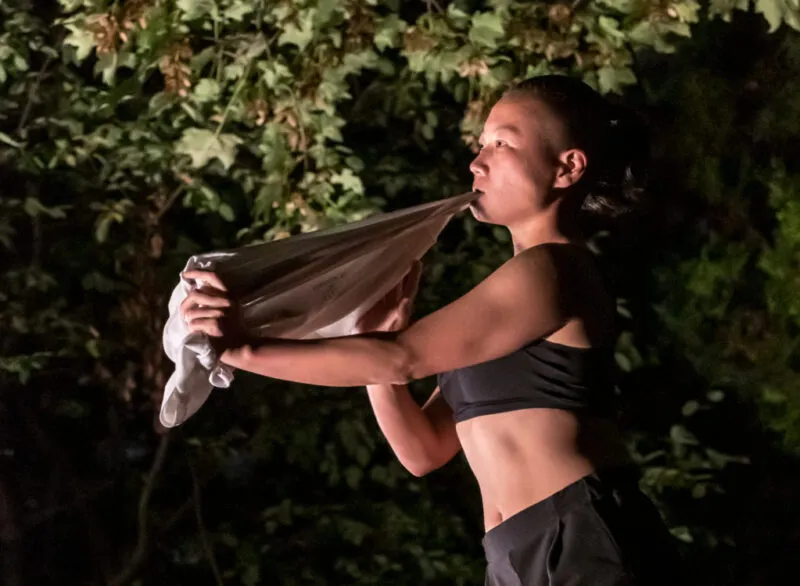
BAAD! Performers at the November 2020 Outdoor Dance Compilation. Image Credit: Ricardo Muniz
Key Finding 4:
The dearth of data and metrics on POC arts entities in New York City is significant and remarkable, creating barriers to truly comprehensive field knowledge, visibility, and impact. It is one of the main contributors to the lack of POC arts funding, representation, real estate, and decision-making power in NYC arts and philanthropy sectors. Leaders emphasized the lack of centralized data and the importance of forging our own archives, as canonical arts and culture archives have historically excluded POC art entities. Several advisory committee members pointed out two glaring needs: more data collected on POC arts entities and greater consideration for the kind of data and tools POC arts leaders/activists need to support their work and build partnerships.
“This topic is close to my heart because one of my main projects has been archival practices. Organizations of color tend to be drowned out in mainstream narratives. Communities of color tend to not trust these larger institutions to represent them. How do we create our own archives?”
Key Finding 5:
Increased staff capacity and the ability to support artists are urgent and fundamental priorities for POC arts entities. In far-ranging conversations about their dreams for the future of their organizations, POC arts leaders repeatedly expressed their desire to build staff capacity and to better fund the artists they work with.
In 2017, The Studio Museum in Harlem3 was one of several organizations funded by the Ford Foundation and Walton Family to offer high school, college, and graduate student–level internships as well as a pioneering joint fellowship program with the Museum of Modern Art in New York. More such opportunities for POC arts and cultural entities are needed, across disciplines and boroughs. Some of the suggested ways through which leaders said they would like to build capacity were supporting artist and curator residencies among POC arts entities, hiring more core staff, providing great professional-development opportunities for staff and artists, and collaborating across the field.
Most POC arts entities are staffed predominantly by People of Color, which brings a depth of diversity and richness in experience, backgrounds, and cultures to the work these organizations do. But there is a direct connection between the ability of POC arts entities to adequately compensate, train, and support these staff members and issues of economic parity for workers of color. When organizations are financially unable to fully support workers, POC arts entities also face challenges competing with better-funded institutions to retain their arts professionals as they reach mid-career and later.
Similarly, POC arts entities help to nurture and mentor POC artists and creatives early in their career development. Meanwhile, predominantly white institutions may receive funding for diversity initiatives to present the work of POC artists and can often invest more in raising the artists’ profiles through marketing campaigns. As artists’ careers mature, POC arts entities struggle financially to compete, and other organizations benefit from their skills and talents, despite having made no investments in their early development and training.
“Our striving for excellence is a strength but also a weakness. We all grew up knowing we had to work twice as hard to get half as far. We know we have to push the boundaries so we can get the funding and acclaim that other institutions are getting. This can be a detriment to our health; we can burn out.”
Key Finding 6:
POC arts entities face extra layers of challenges in securing adequate funding in comparison to predominantly white-led arts entities. Compounding the inherent competitiveness of grant programs, POC arts entities face additional challenges related to structural racism and to a lack of understanding of the organizations’ communities and work.
Leaders repeatedly cited biased funding practices and a lack of transparency in the funding process, particularly within private philanthropy. The grant requirements themselves often serve as a catch-22: Often the same capacity that funding agencies require for eligibility are the exact things for which the organizations are seeking support. Funders may require organizations to have a million-dollar budget to compete for large awards; but how can mostly community-based entities reach a million-dollar budget without access to those large awards?
Leaders also mentioned the disconnect between large institutional funders and the communities they work alongside, stating that communities of color tend to not trust these institutions to represent them. This is starkly illustrated in the ways artists may need to be paid—often because of their immigration status versus funders’ needs for receipts and documentation. As one leader said, “Artists want to be paid in cash, but the organization needs receipts for funding purposes. Some of the artists are undocumented.”
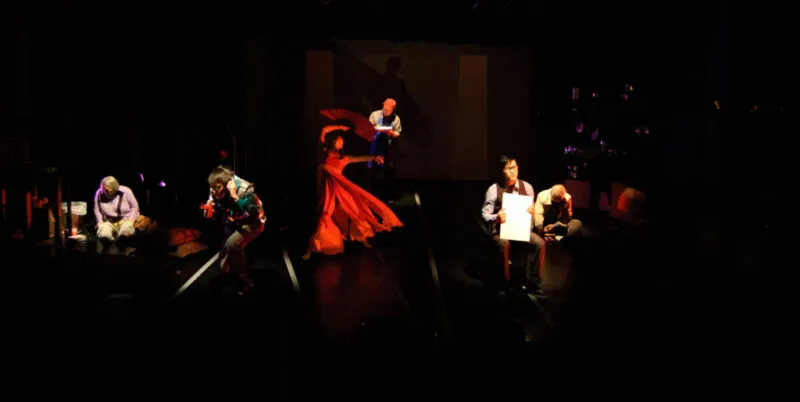
Kyoung’s Pacific Beat’s disOriented, produced in association with Theater C, January 2011. Photo Credit: Jake DeGroot
While we were working with a relatively small survey sample of 41 POC arts entities based on eligible responses, the results were telling. The survey outcomes began to form a consistent picture of organizations providing diverse and extensive programming, creating and presenting artwork outside of the major commercial corridors, and based in the neighborhoods that are the city’s lifeblood. The dearth of consistent funding and revenue has a significant impact on the ability of POC arts and cultural entities to establish themselves as places where artists can build and develop lifelong careers. With limited funds available, POC arts entities often struggle to pay artists and administrators on par with what they would receive from larger, well-funded, predominantly white arts organizations.Below are some of the detailed quantitative survey findings that built our understanding of arts entities founded and led by Black, Latinx, Indigenous, Asian, Pacific Islander, Middle Eastern, and all People of Color.
Age & Self Description
Most organizations that participated in the survey—58% of the 41 arts entities surveyed—were founded in 2000 or later. Just 10% of the responding entities were founded before 1970, while 32% were founded between 1970 and 1999. Notably—and reinforcing findings from interviews and from the mapping project—76% of organizations described themselves as community-engaged arts organizations. Approximately half of the surveyed entities included multidisciplinary and visual arts as descriptors.
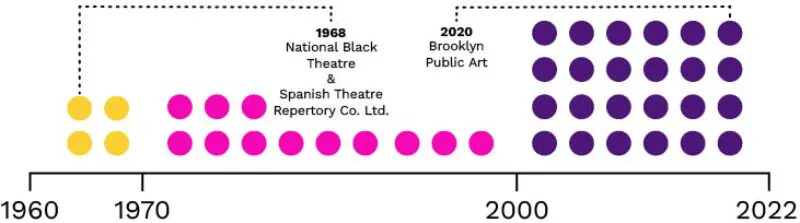
Figure 1: Surveyed Entities by Year Founded
Type of Entity
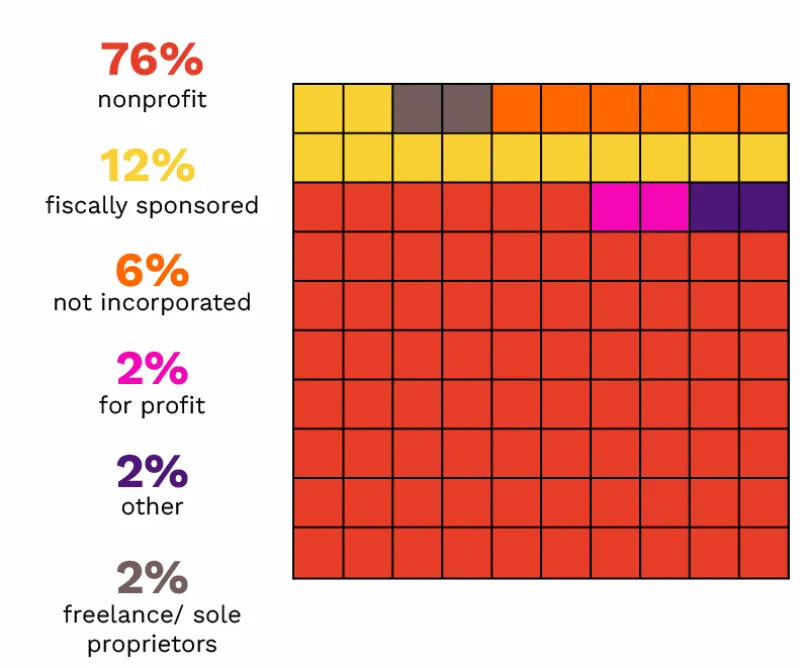
Figure 2: Entities by Business Structure
Our criteria for the type of business structure required for inclusion in this project was intentionally broad in an effort to capture those arts entities operating outside of the formal nonprofit sector. However, given that project outreach was driven primarily by nonprofit arts organizations, 76% of arts entities that participated in the survey were not-for-profit organizations, and 12% were fiscally sponsored. The 23% of participants operating “outside the [grant] system” presents an opportunity to further explore how these POC arts entities find alternative approaches to supporting, presenting, and producing art.
Space
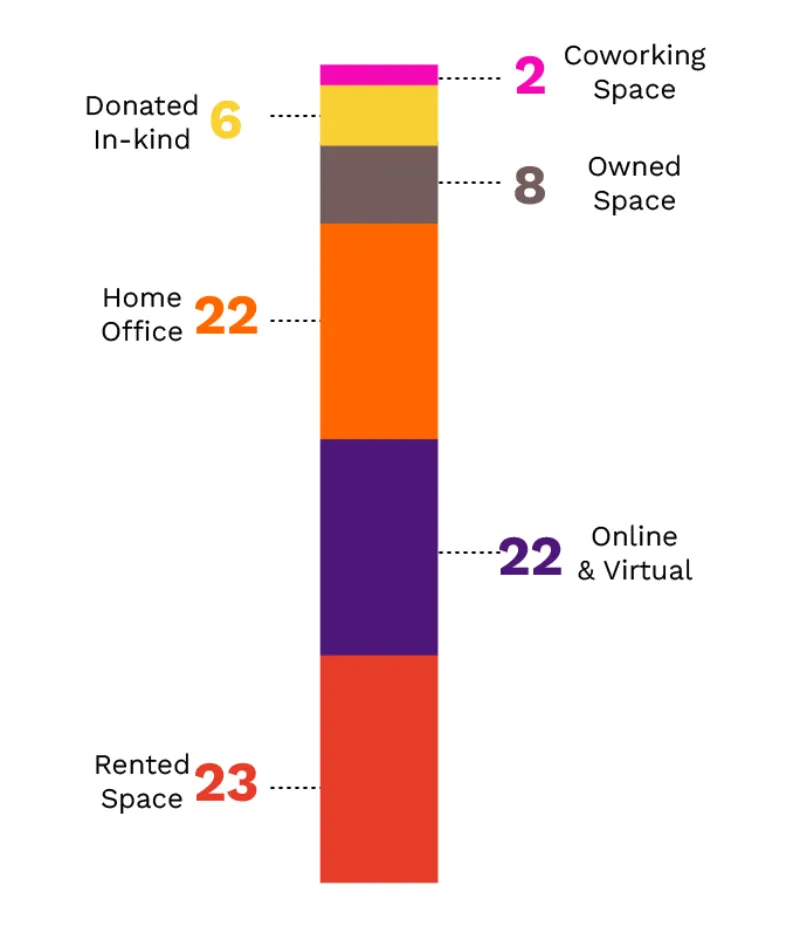
Figure 3: Type of Spaces Where Administrative, Office, or Operations Takes Place
A third of 41 surveyed entities work in rented space, a third reported working in a virtual-only environment, and a third said they operated out of a home office. Just eight organizations said they owned the space in which they operated. It is important to reiterate here that POC arts entities have historically had far less access to city-owned property, compared with predominantly white arts organizations, and this has negatively impacted their ability to establish stable permanent homes for their arts and programming.
Community Programming, Neighborhoods & Languages
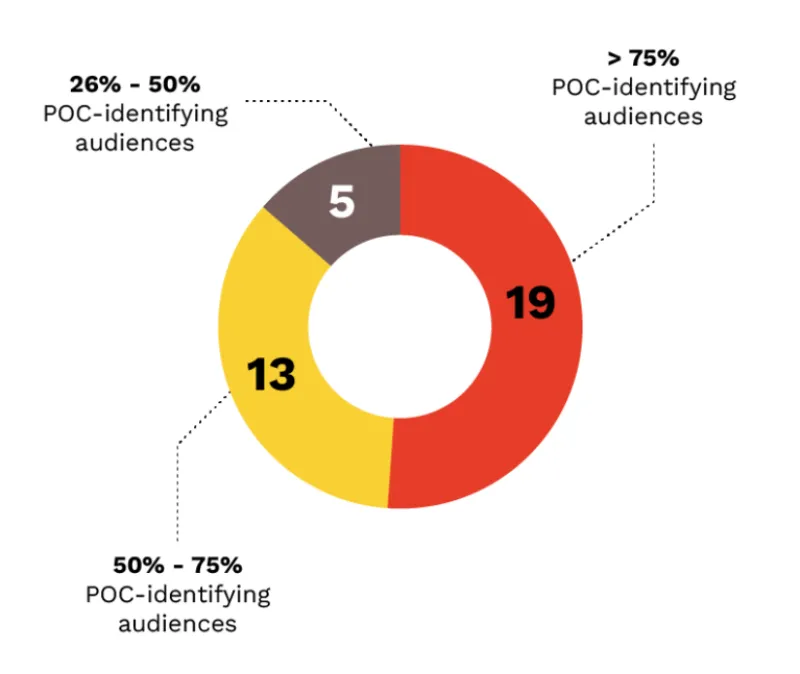
Figure 4: POC-identifying Audiences of Entities
The arts entities surveyed produce community-relevant programming such as creative workshops, festivals, dance classes, and more. When asked about the percentage of their audiences, customers, and/or participants, more than half of the respondents reported between 75% and 100% People of Color. Also, nearly half of the surveyed entities claimed that more than 75% of their programming was offered free to the public. The respondents produced programming in 17 languages in addition to English, including Spanish, Haitian Creole, French, Mandarin, Arabic, Japanese, Hindi, Igbo, Twi, and Fulani. We also asked respondents in which borough of New York City most of their programs take place (organizations could select multiple neighborhoods in each borough).
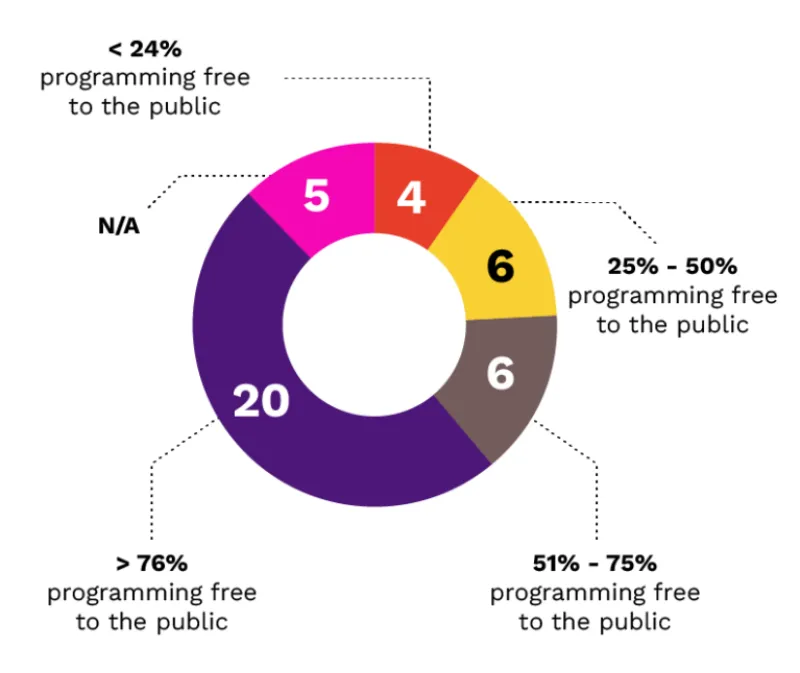
Figure 5: Percentage of Programming Designated as Free to the Public
Most programs are offered in neighborhoods such as East Harlem, Central Harlem, or the Lower East Side in Manhattan; and in Bedford-Stuyvesant, Bushwick, or Crown Heights in Brooklyn; followed by a significant but far smaller number of programs in neighborhoods such as Mott Haven in the Bronx.
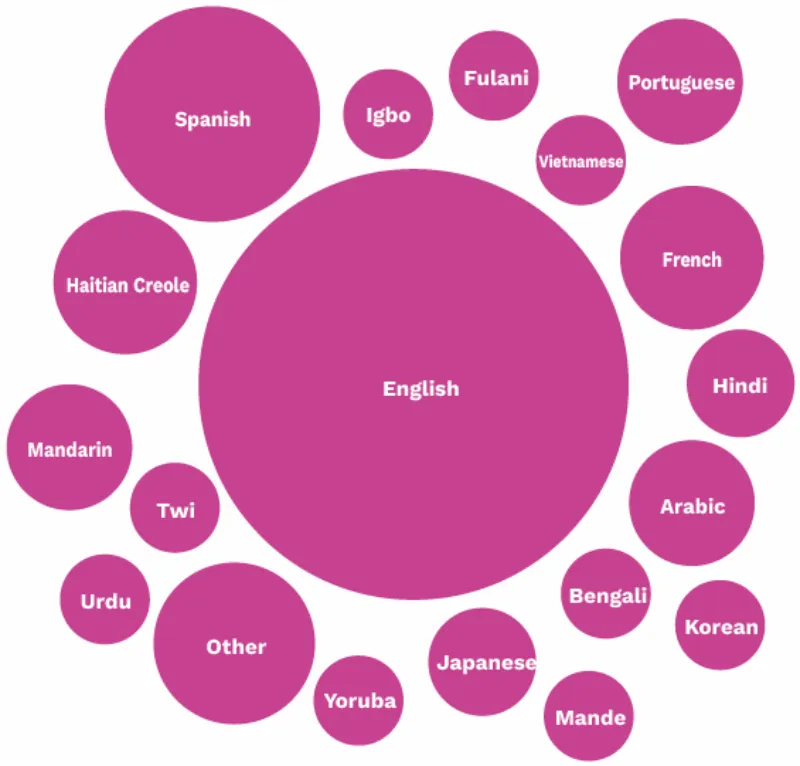
Figure 6: Languages in Which Programming is Offered
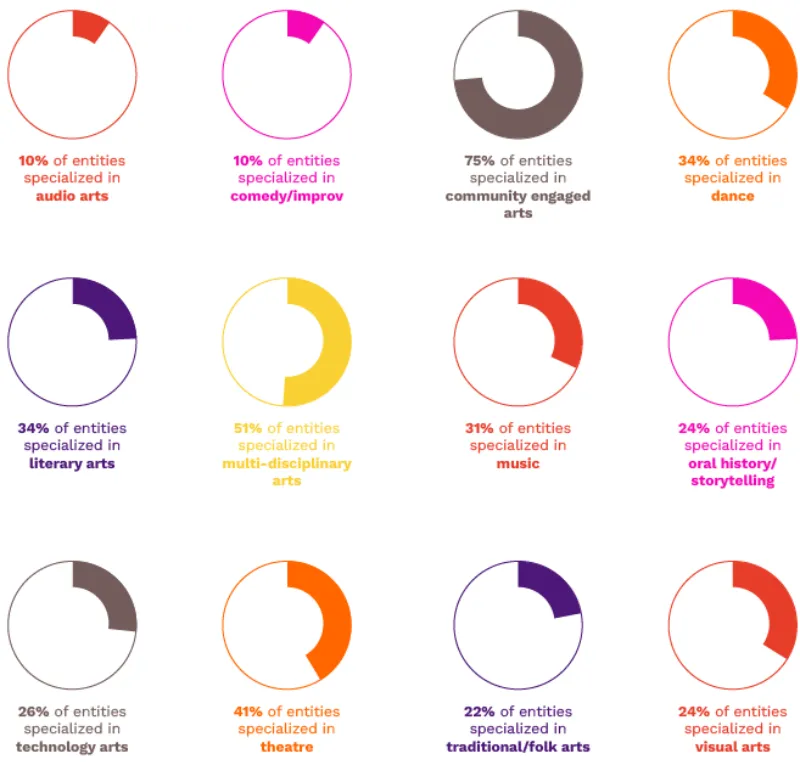
Figure 7: Entities by Discipline Specialization
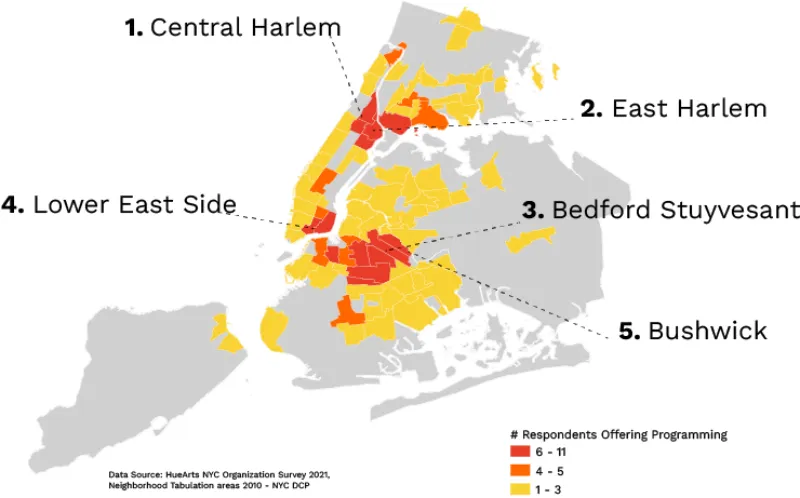
Figure 8: Neighborhood(s) Where Programming is Held
Budget and Funding
The biggest source of income for responding arts entities comes from government and/or foundation grants. This was followed by earned income, and then individual donations. Among those that identified foundation and/or government grants as their top source of income, nearly half stated this income constituted more than 50% of their total budget. While only 83% of survey respondents provided their annual budget data, nearly 60% of respondents reported an annual operating budget under $1 million, the majority of which have budgets under $500K. Approximately 26% reported a budget between $1 million and $2 million. 12% reported an annual operating budget in the $2 million to $2.5 million range, and one CIG organization, Museo del Barrio, reported a budget of $6.5 million.
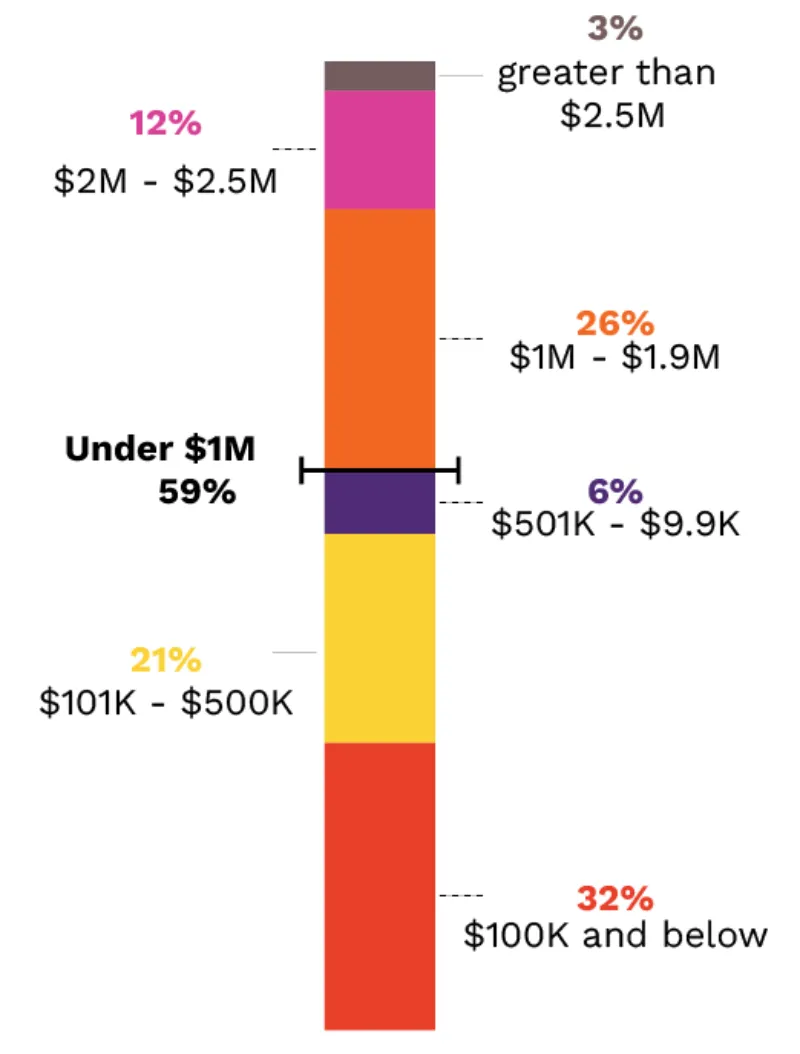
Figure 9: Surveyed Entities by Operating Budget
Funding Challenges
When asked what typically bars them from accessing funding/capital investment, 73% of organizations cited limited staff capacity to devote necessary research and cultivation efforts to building individual donor support. The second most commonly selected option was a lack of access to key decision-makers. The most pressing challenges regarding funding, which were reiterated in comments made in interviews and community conversations, revolved around inadequate staffing and/or bandwidth to navigate the grant-funding process and lack of connections to decision-makers that make those processes more accessible.
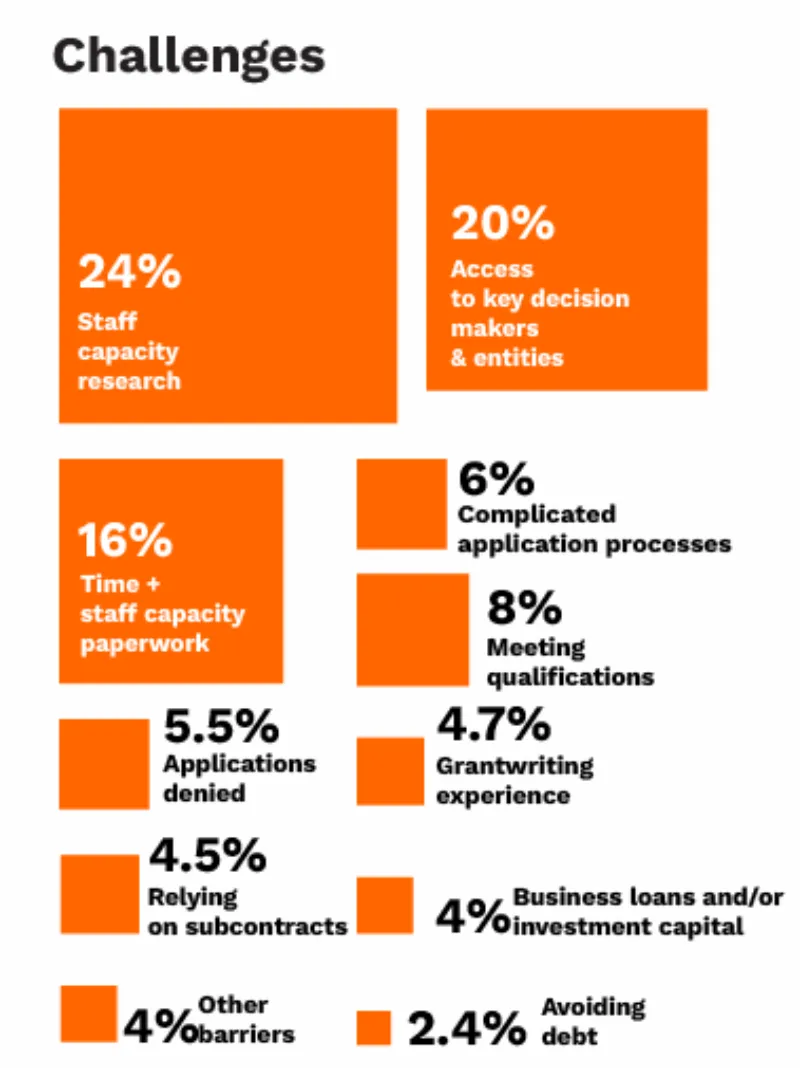
Figure 10: Funding Challenges
Current Organizational Need
When asked to identify their biggest needs aside from funding, surveyed entities doubled down on the issue of lack of staffing, business-development resources, and infrastructure. Of the 30 entities that completed this survey question, 28 reported having one or more paid staff, and nearly 68% employ the same number or more of part-time staff as full-time staff. What has become clear in this initial inquiry is the need for more nuanced data in the arena of staff composition, compensation, development, and retention to better understand and analyze the capacity issues raised by our surveyed POC arts entities.
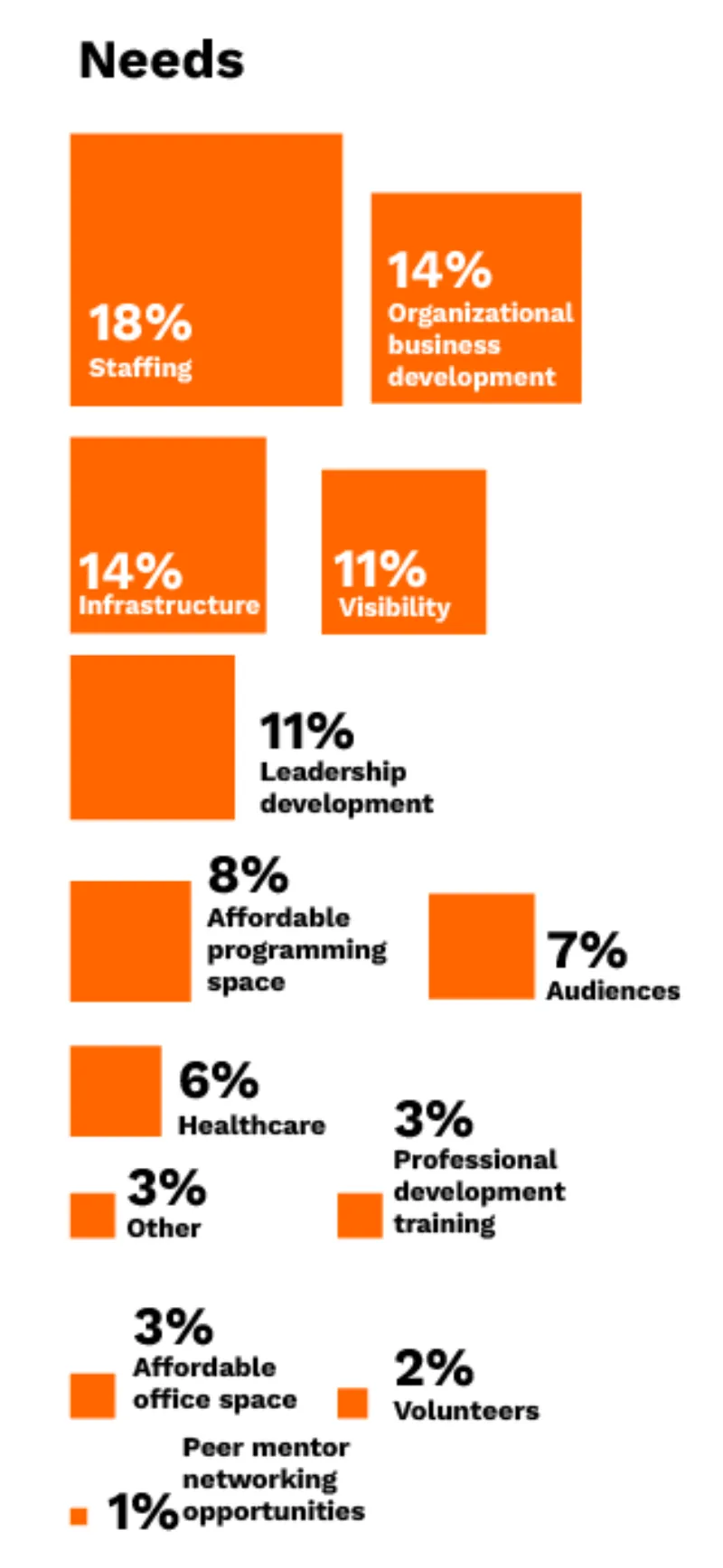
Figure 11: Organizational Needs aside from Funding
“Our ability to always figure out ways to survive and lift up each other is our strength. Our ability to overcome.”
To reframe a question posed at the outset of this paper: How can policymakers, funders, and others set up arts entities founded and led by Black, Latinx, Indigenous, Asian, Pacific Islander, Middle Eastern, and all People of Color so they can thrive in the long-term? Based on the findings above, we have identified six recommendations with action steps:
- Create a designated $100M fund for POC arts and cultural entities.
- Establish a substantive baseline budget line for POC arts in the city’s annual budget.
- Invest in place as a long-term strategy for POC arts stability and thrivability.
- Foster career and community building among professionals at POC arts entities.
- Self-determine data needs and priorities for and about POC arts entities.
- Invest in higher & sustained visibility for POC arts entities in NYC.
1) Create a designated $100M fund for POC arts and cultural entities.
It is no secret that the city has significantly invested in predominantly white institutions for generations. This has also been accompanied by a systemic, persistent, and cumulatively damaging underinvestment and disinvestment in POC arts entities. This is how predominantly white-led arts entities have become the giants they are today, while even some of the most established POC arts entities face persistent precarity.
New York City is lagging behind cities such as Seattle, San Francisco, Houston, Pittsburgh, and Philadelphia, which have made substantial long-term investments in their POC cultural communities. Recent private initiatives such as the MOSAIC Fund and Network, as well as the Joe and Clara Tsai Social Justice Fund’s $50M investment in Black businesses in Brooklyn, are encouraging but rare. These are models of effective and targeted investments in the health and vitality of POC communities. Much more can be done to drive public and private resources toward deeper investments in supporting POC arts entities.
Action Steps:
- The NYC Department of Cultural Affairs (DCLA) and private philanthropy should immediately amass and distribute a fund of $100M among the 400+ entities identified by this paper’s companion mapping project. This would have a significant impact on NYC’s cultural communities of color for generations to come and profound ripple effects on the city’s POC neighborhoods.
- These investments must offer multiyear general operating support to truly provide the capacity to plan long-term for stability and growth, scaled to be transformative in size and impact. According to a 2020 article in the Stanford Social Innovation Review, the unrestricted net assets of Black-led organizations are 76% smaller than those of their white-led counterparts4.
- Funders and governments should explore new metrics and measures for evaluating POC arts entities, many of which do not fit the mold of old funding models.
- The DCLA should engage its main arm as well as the five local arts councils to better reach smaller and fiscally sponsored entities.
2) Establish a substantive baseline budget line for POC arts in the city’s annual budget.
New York City has not fully invested in the health and vitality of its many POC-founded and -led arts entities, which serve more than 50% of the NYC population. Many we surveyed have annual operating budgets below $100,000, on which they miraculously run programming, pay staff, buy equipment, and much more. It is difficult to plan long-term or make needed investments in capacity, infrastructure, and/or programming without multiyear general operating support.
Important city initiatives such as the Coalition of Theaters of Color and Cultural Immigrant Initiative have made a tremendous difference for their historically undercapitalized arts recipients; however, each year, the entities must start the budgetary dance from scratch and spend precious staff time and effort advocating to be included in the city’s budget once again.
The city’s exclusive Cultural Institution Group (CIG) is composed of 34 arts nonprofits on city land with guaranteed annual budget allocations and utility subsidies from the city5. These forms of support provide a coveted boost in stability and sustainability that is out of reach for most NYC arts entities. Of the 34 CIG institutions, only 3 are POC-founded and -led; that is less than 10% in a city that is majority POC and one third foreign-born, and has 400+ arts entities led by, and created for, People of Color.
Additionally, according to a 2017 national report on equity issues in cultural philanthropy, 60% of funding for the arts goes to just 2% of cultural institutions that focus on white and Western European art6. Only 4% of arts funding is allotted to organizations that serve communities of color. Furthermore, nationwide, less than 3% of arts foundation funding goes to cultural groups that serve communities of color. The same report states that in New York City, 139 cultural organizations with budgets over $5 million receive 82% of all funding, while 1,807 organizations with budgets under $1 million receive only 6% of all revenue for the sector.
Action Steps:
- Create a baseline budget item for POC arts entities with guaranteed support in the annual budget every year, in the same way the CIG is a baseline budget item.
- Special attention should be paid to legacy organizations founded 25 years ago or more, such as Amerinda, Bronx Academy of Art and Dance, The Clemente, Harlem Stage, and 651 Arts, which have all been doing incredible work against the odds for generations.
3) Invest in place as a long-term strategy for POC arts stability and thrivability.
Due to rising rent costs and ongoing gentrification across New York City, there is a severe risk of permanent displacement for many POC arts entities, which also extends to the artists and communities they serve. In neighborhoods such as the South Bronx, Harlem, Elmhurst, and Central Brooklyn, the long-term impact of such cultural loss would be devastating and irreversible. Interested POC arts entities need critical support to secure ownership of their physical spaces so they can continue to serve.
Action Steps:
- POC arts entities and coalitions in NYC need a significant publicly and privately supported fund that is solely focused on helping them acquire long-term and/or permanent homes. San Francisco announced such a plan at the beginning of 20227.
- Buttress the fund with sustained access to diverfse capital streams, equity-focused community-development partners, and advisors with expertise from real estate acquisition to maintenance. POC arts entities deserve access to a full range of options from outright purchase to community land trusts to multi-decade long-term leases.
- Overhaul commercial rent laws to incentivize landlords to offer truly affordable rent and long-term leases to nonprofits, especially in gentrifying but still substantially POC neighborhoods.
- For those rare POC arts entities that do currently own their own spaces, private and public sources should continuously invest in helping maintain the physical structures these entities steward for future generations of art makers and art lovers.
- Similarly, for those operating in affordable physical spaces backed by short-term city master leases, DCLA should increase its time frame for renewal of master leases/licenses to a 25-year minimum, to allow entities to harness diverse strategies of liquidity to maintain and repair their city-owned properties—and not at the expense of their operations budgets.
- DCLA and the city should transfer vacant city-owned buildings in low-income neighborhoods to POC-led cultural organizations or consortiums for adaptive reuse. With community-vetted viability studies, these neighborhood deficits should be transformed into community-owned assets.
- Proactively support interested organizations in partnering with city-subsidized real estate projects that are required to provide below-market-rate ownership opportunities to cultural entities. The city must strictly monitor real estate developers for timely and sincere compliance.
- Identify and invest in existing POC arts cultural corridors, such as 125th in Harlem and Fulton Street in Central Brooklyn, so entities of various sizes can build partnerships, offer programs, upgrade facilities, share space, and become more connected to one another and the larger arts community.
4) Foster career and community building among professionals at POC arts entities.
The essential need most often articulated by participating POC arts organizations was more staffing and professional development support for current leadership as well as for emerging leaders. Our aim is to foster an arts ecosystem that would allow a young professional starting today to sustain a long, varied, and rewarding career among multiple POC arts entities, if desired. In practice, this looks like:
Action Steps:
- Fund paid internships and fellowships at POC arts entities of all sizes and areas of focus—in partnership with the City University of New York (CUNY), State University of New York (SUNY), and other local diverse colleges, universities, and high schools. This can build on the NYC Cultural Corps model introduced in the 2017 CreateNYC Cultural Plan.
- Create mentoring partnerships among POC arts entities—possibly organized by discipline, geography, job roles, etc.—to link established organizations with those more recently founded entities.
- Create a stipended professional development and networking program for mid-career POC arts professionals to cultivate new skills and build relationships, since that is the career level at which individuals begin to significantly leave POC arts entities for better-funded predominantly white institutions.
- Create and sustain a peer networking program specifically for senior leadership and executive directors to support one another while also gaining access to external professional advice and coaching. Include a concerted focus on succession planning so long-time leaders can retire without fear of their legacy disappearing.
- Develop a vetted support corps of professionally experienced, culturally knowledgeable, and predominantly POC consultants in areas such as strategic planning, financial management, marketing, and programmatic design. The corps should include executives and staff of POC arts organizations who are interested in consulting (i.e., earned) income as they support one another, and potentially train predominantly white institutions, from a place of deep experience with organizational resilience and fortitude.
“Succession planning is often a weakness for POC organizations. We’re not good at building infrastructure around all the unique characteristics and traits and benefits that those founders bring.”
5) Self-determine data needs and priorities for and about POC arts entities.
Currently, there is limited data and no comprehensive analysis on the funding of POC cultural entities in NYC, including funding sources, types of funding, amounts, impacts, and more. The Cultural Equity Group made recommendations during the city’s 2017 CreateNYC planning efforts for “monies earmarked to conduct research and to collect data that both [on the deficit side] demonstrate a system of de facto cultural apartheid; funding imbalances in the city and [on the surplus end] the enormous economic benefits; cultural pride and social mobility it brings to communities of color.” Five years later, we reiterate the very same recommendation and advocate for a much broader adoption of such initiatives across city agencies (in addition to DCLA), philanthropic institutions, and advocacy groups.
This study attempts to tackle the most basic step in beginning this work of capturing the complexity of POC arts and culture organizations in New York City. A much more robust research and analysis would be invaluable in garnering needed support to counter long-term disinvestment and build thriving and sustainable organizations within a healthy POC arts ecology.
Action Steps:
- Identify the best metrics and measures for sustained success—as defined by the POC entities themselves—for describing the work of arts and culture entities led by members of the global majority.
- Create an infrastructure for ongoing collection and analysis of data, while providing adequate support to POC entities to participate in this process without undue hardship.
- Document and share widely the learnings from continued data collection using different modalities, including brown papers, case studies, media, and more.
6) Invest in higher & sustained visibility for POC arts entities in NYC.
Creating a dynamic record of arts and culture entities that are owned and led by Black, Latinx, Indigenous, Asian, Pacific Islander, Middle Eastern, and all People of Color is an important first step toward ultimately capturing their institutional knowledge and history and shining a spotlight on their meaningful and important contributions. In addition, too many entities close with no archival record of their existence and contributions, or of the events leading to their closure.
Action Steps:
- Create a funder-collaborative effort to connect and financially support POC arts entities’ access to professional and culturally informed communications, media, and public relations consultants over a sustained multiyear period.
- Directly support, and participate in, ongoing POC-led advocacy initiatives that seek to bring greater awareness to, and action in support of, POC arts entities.
- Build a robust campaign to activate local and national media outlets to feature the critical work of POC arts entities as well as the systemic inequities that have historically limited access to larger success and visibility.
Toward Greater Equity in Arts & Culture
Delving further into the experiences and realities of Black, Latinx, Indigenous, Asian, Pacific Islander, Middle Eastern, and all People of Color arts entities is essential to fully understanding the value they bring to their communities and to the cultural ecosystem of New York City as a whole. Ensuring that arts leaders, artists, and organizations of color reap the same benefits for their work as their predominantly white counterparts is essential for racial and cultural equity and for the continued vitality of the NYC arts field. With this project, in addition to archiving the past and mapping the present, we seek to ensure the future.
Spurred by the aftermath of George Floyd’s murder in 2020, there are ongoing national conversations around issues of racism, gender, ability, LGBTQIA+ rights, and other forms of privilege that have long excluded people of the global majority. This reckoning with deep systemic inequity has spread to the art community, including institutions, funders, and policy makers, as well as the artists and communities served. Public and private philanthropy, especially, have been reexamining their histories and funding processes with an eye toward supporting Black, Latinx, Indigenous, Asian, Pacific Islander, Middle Eastern, and People of Color arts entities.
“We begin by recognizing ourselves. As our relatives the Iroquois People say, Let us come together and be of one mind. Because when we do that, that’s when things happen.”
And yet there is a steep hill to climb. Until financial resources from both private and government entities are distributed more equitably, there will never be more equitable access to staffing, working conditions, professional training, or space, and there will never be a genuinely equal chance to realize artistic visions and dreams. This is far from the first time this issue has been raised—the tireless efforts of the Cultural Equity Group for over the past 15 years is one notable example. Numerous initiatives over the years have raised many of the issues captured in this report. The gulf in support between the entities studied here and predominantly white-led organizations is both immense and long-standing.
It is important to make the data, stories, and experiences in this report widely visible, but it is equally important that these data, stories, and experiences are heeded. The inequity and imbalance in the distribution of resources cannot be accepted as a given. We must take action as a collective community on the recommendations proposed as next steps for the field. It is within our collective capability, and it is well past time.
American Indian Artists Inc.
American Indian Artists, Inc. (Amerinda), was started in 1987 by a group of Native American Artists who emerged from the civil rights and social justice movements drawn by New York City’s reputation for incubating the most progressive cultural movements in the country, migrated to the city to study and work.
These artists formed the New York Movement in Contemporary Native Arts, in existence from the 1930s to the present.
Outside of Santa Fe, New Mexico, the New York Movement is the only such Native American art movement in the United States. By making visible Native American contemporary forms of expression, the work of these visual, theater, and media artists has helped restore and strengthen our communities against continuing marginalization and discrimination. Amerinda works to empower Native Americans, break down barriers, and foster intercultural understanding and appreciation for Native American culture. Through a variety of arts programs and services to artists, Amerinda supports Native artists who embody the traditional practices and values that define Indian culture. They also promote the Indigenous perspective in the arts to a broad audience through the creation of new work in contemporary art forms—visual, performing, literary, and media arts.
Black trans femmes in the arts
Jordyn Jay conceptualized the Black Trans Femmes in the Arts (BTFA) in response to the lack of representation of Black trans femmes in art history, contemporary art spaces, and art scholarship, understanding that lack of representation is a symptom of a greater lack of resources.
To begin addressing this issue, she organized a Black Trans Femmes in the Arts Meetup in September of 2019 to connect with other Black trans femmes in the arts, understand the obstacles they were facing, and begin organizing with the goal of erasing these barriers. In this first small meetup, it became abundantly clear how necessary it was for Black trans femmes to have a community within the arts to share resources, expertise, and talents. Two months later, she organized BTFA’s first Open Mic Night, which featured performances by eight Black trans femme artists, showcasing the talent in the community and officially launching the BTFA Collective.
At the beginning of 2020, BTFA began to build a platform on social media through highlighting members of the collective and interviewing well-known Black trans femme artists on BTFA’s Instagram. On June 2, BTFA announced the Black Trans Protesters’ Emergency Fund, in collaboration with The Okra Project, For the Gworls, and Black Trans Travel Fund, to protect Black trans protestors in preparation for a rally in New York City honoring the lives of Nina Pop and Tony McDade. With the world’s eyes on the Black Lives Matter movement, and the LGBTQ+ community exploring ways to celebrate Pride virtually, BTFA became a global phenomenon overnight as its message was spread by celebrities and major publications.
“Our ability to always figure out ways to survive and lift up each other is our strength. Our ability to overcome.”
the Bronx academy of arts and dance
The Bronx Academy of Arts and Dance (BAAD!) was co-founded in 1998 in the Bronx’s Hunts Point neighborhood by the celebrated and award-winning dancer/choreographer Arthur Aviles and writer/activist/publicist Charles Rice-Gonzalez.
BAAD! began as a home for the Arthur Aviles Typical Theatre (AATT), a contemporary dance company that explores works on the margins of Latino and queer cultures. Their programming grew with support from the local Hunts Point community of dancers, queer artists, artists of color, and women artists, including sculptor Cassandra and performer/drag king Elizabeth “Macha” Marrero. With sweat equity and support from this community, Aviles and Rice-Gonzalez repurposed an unused, abandoned warehouse space in Hunts Point’s American Banknote building to create a performance space for Aviles’ dance company. This lead to BAAD! hosting annual multi-disciplinary arts festivals such as BAAD! Ass Women, Out Like That!, The BlakTino Performance Series, The Boogie Down Dance Series, and the annual holiday play, Los Nutcrackers: A Christmas Carajo. Since its inception, BAAD! has bloomed into a nationally-recognized arts organization firmly situated as a stakeholder in the Bronx that brings a queer perspective to the socio-political/cultural dialogue of the borough and city.
The Clemente Soto Vélez Cultural & Educational Center Inc.
The Clemente Soto Vélez Cultural & Educational Center Inc. is a Puerto Rican/Latinx multi-arts cultural institution that has demonstrated a broad-minded cultural vision and inclusive philosophy rooted in New York City’s Lower East Side/Loisaida.
While focused on the cultivation, presentation, and preservation of Puerto Rican and Latinx culture, they are equally committed to a multi-ethnic/international latitude and are determined to operate in a polyphonic manner that provides affordable working space and venues to artists, small arts organizations, emergent and independent community producers that reflect the cultural diversity of the Lower East Side and our city.
As a downtown Latinx cultural staple for close to three decades, The Clemente is the pulpit for countless New York based Latinx, BIPOC, local LES, and international partners who strive to create multidisciplinary contemporary work and co-productions in a collaborative environment. They are guided by the legacy of their namesake, building culturally grounded multigenerational leadership, local power, and mutuality in times of crisis.
Kyoung’s Pacific Beat (KPB) is a peacemaking theater collective, founded in 2011 by playwright and director Kyoung H. Park. KPB is dedicated to working with artists, non-artists, and local communities to transform experiences of oppression into peace messages through public performance.
“Our company devises experimental new work in 3 to 4 year long developmental processes where we actively engage the local community throughout the making of our shows. When we booked our ensemble’s first tour, I traveled twice to Chicago to meet local artists and organizers who told me that we needed to 1) address the enormous bias their host theater held against local artists of color and 2) to de-center our cis male, queer pespectives to make more space for lesbian and non-binary voices in Chicago’s local community.
In response to this feedback, we established six local BIPOC partnerships to uplift voices from Chicago’s artistic and social-justice organizing communities which then hosted a long-table conversation addressing intersectional feminism. We accomplished this by organizing locally-driven conversations the way we create our work in New York.
The clearest example of how we both learn from community and work with community to catalyze change, is the leadership change that took place two years after our show in Chicago. In response to feedback we received from Chicago’s community, I relinquished control of our organization to an intersectional board of non-binary and women of color as our company’s first official Board of Directors.”
The Laundromat project
As a Black-rooted and POC-centered nonprofit organization, The Laundromat Project (The LP) was incorporated in 2005 to advance artists and neighbors as change agents in their own communities.
Founder Risë Wilson left the corporate sector to launch The LP as an organization that meets people where they already are, in order to make art, build community, and create positive change. As a deeply values-driven organization, The LP envisions a world in which artists and neighbors in communities of color work together to creatively address racial justice, cultural legacy, immigration, collective wellbeing, and other social concerns. They do this through their signature Create Change artist residency and fellowship programs as well as immersive community engagements. To date, The LP has directly invested over $1M in nearly 200 multiracial, multigenerational, and multidisciplinary artists; 87 innovative art projects; and a creative community hub in Brooklyn’s historic Bedford-Stuyvesant neighborhood.
National Black Theatre (NBT) was founded in 1968 by Dr. Barbara Ann Teer, an award-winning performer, director, visionary entrepreneur, and champion of the Black Arts Movement.
NBT has made history in a number of ways. It is the country’s first revenue-generating Black art complex, the longest-running Black theater in New York City, acquisitor of the largest collection of Nigerian New Sacred Art in the Western hemisphere, and one of the nation’s oldest theaters founded and consistently operated by a woman of color.
Its core mission has always been to be the premier producer of transformative theater that enhances African American cultural identity through telling authentic, autonomous, multifaceted stories of the Black experience.
Acknowledgements
HueArts NYC project partners, Museum Hue, The Laundromat Project, and Hester Street, offer deep gratitude to our boards for their wholehearted support and to our hardworking and visionary teams for making this project a reality in the midst of a pandemic and many other duties.
Funding Partners
We are grateful for the early and definitive support from the following: Deborah Cullen-Morales, Emil Kang, Kibra Yohannes at The Andrew W. Mellon Foundation; Rocio Aranda-Alvarado and Lane Harwell at the Ford Foundation; Commissioner Gonzalo Casals, Angela Kingham, Ryan Max, and Anthony Meyers at the New York City Department of Cultural Affairs. They embodied trust and abundance by investing meaningful support and then stepping out of the way to let the work happen.In addition, the project is made possible by the wisdom, dedication, and support of the following contributors:
Advisory Committee
Amy Andrieux – Museum of Contemporary African Diasporan Arts
Mahen Bonetti – African Film Festival, Inc.
Andrew Clarke – Braata Productions
Diane Fraher – American Indian Artists Inc.
Lisa Gold – Asian American Arts Alliance
Libertad O. Guerra – The Clemente Soto Vélez Cultural & Educational Center, Inc.
Lorna Harris – Visionary GPS
Jerron Herman – independent artist
Jordyn Jay – Black Trans Femmes in the Arts
Swati Khurana – independent artist
Sade Lythcott – National Black Theatre
Kyoung Park – Kyoung’s Pacific Beat
Charles Rice-Gonzalez – Bronx Academy of Arts and Dance
Interview Participants
Gina Acebo – Akonadi Foundation
Catherine Almonte
Caron Atlas – Art & Democracy Naturally Occurring Cultural Districts-NY
Elizabeth Bennett – Staten Island Arts
Bronwyn Bevan – The Wallace Foundation
Viviana Bianchi – Bronx Council on the Arts
Vanessa Camarena-Arredondo – Akonadi Foundation
Joanna Castro
Patricia Cruz – Harlem Stage
Ana Fiore – Lower Manhattan Cultural Council
Amy Gedal Douglass – The Wallace Foundation
Bryan E. Glover – Bronx Council on the Arts
Desirée Gordon – Brooklyn Arts Council
Hitomi Iwasaki – Queens Museum
Hoong Yee Lee Krakauer – Queens Council on the Arts
Karen Mack – LA Commons
Masoom Moitra – El Puente
Christopher Mule
Kyoung Park – Kyoung’s Pacific Beat
Sheldon Raymore – American Indian Community House
Eduardo Robles – Promise Zone Arts, LA City Dept. of Cultural Affairs
Abigail Savitch-Lew
Sally Tallant – Queens Museum
Edwin Torres – Grantmakers in the Arts
Lisa Yancey – Yancey Consulting
Lauren Argentina Zelaya – Brooklyn Museum
Community Conversation Participants
Rohan Bhargava – Rovaco Dance Company
Ana Chireno – El Museo del Barrio
Raymond Codrington – Weeksville Heritage Center
Catherine Cudjoe – National Ghana Parade Council
Bobby Digi – Canvas Institute
Carlos Gutiérrez – Cinema Tropical
Madjeen Isaac – Haiti Cultural Exchange
Ladi’Sasha Jones – The Laundromat Project
Ron Kavanaugh – Literary Freedom Project
Shanta Lawson – The Studio Museum in Harlem
Sydnie Liggett – A.I.M by Kyle Abraham
Arnaldo J. López – Pregones/Puerto Rican Traveling Theater
Muriel Miguel – Spiderwoman Theater
Hatuey Ramos-Fermin – The Laundromat Project
Erica Rawles – The Laundromat Project
Catherine Soliz-Rey – Garifuna Heritage Center for The Arts and Culture
Beth Stryker – ArteEast
Jafreen Uddin – Asian American Writers’ Workshop
Ayesha Williams – The Laundromat Project
Cievel Xicohtencatl – The Laundromat Project*and Advisory Committee members
Survey Participants
3RD ETHOS Gallery
African Film Festival
A.I.M by Kyle Abraham
Archival Alchemy®
ArteEast
Arthistorianone
Asian American Arts Alliance
Asian American Writers’ Workshop
Black Trans Femmes in the Arts Collective
Brooklyn Public Art
Bronx Academy of Arts and Dance, The
Canvas Institute
Cinema Tropical
Clemente Soto Valez Cultural & Educational Center Inc, The
Cool Culture
El Museo del Barrio
EMERGENYC
Garifuna Heritage Center for The Arts and Culture
Haiti Cultural Exchange
Harlem Cultural Archives
Hi-ARTS
Kinetic Light
Kyoung’s Pacific Beat
Laundromat Project, The
Literary Freedom Project
Mind-Builders Creative Art Center
Museum of Contemporary African Diasporan Arts
National Black Theatre
National Ghana Parade Council
New York Chinese Cultural Center
Oye Group
Pairings
Ping Chong & Company
Pregones/Puerto Rican Traveling Theater
RedMoon Arts Inc
Rovaco Dance Company
Spanish Theatre Repertory Co., Ltd.
Spiderwoman Theater
Studio Museum in Harlem, The
Weeksville Heritage Center
Welancora Gallery
Appendix
Inventory of Mapped and Listed Arts Entities in HueArts NYC Online Map and Directory:
21 Pell Street
301 Project NYC
3RD ETHOS
651 Arts
AAA3A
Ñani Migrante
A Better Jamaica
Abarukas
Abya Yala Arte y Cultura
African American Day Parade
African Day Parade
African Diaspora International Film Festival
African Film Festival, Inc.
African Voices Communications
Africanfest-NYC
Afrikan Poetry Theatre
Afro Latin Jazz Alliance
Afro-Latino Festival
Afropunk
AHL Foundation
A.I.M
Ajna Dance Company
Alexis Mendoza Curatorial Projects
Alvin Ailey American Dance Theater
Amaterasu Za
American Indian Artists Inc. (Amerinda)
American Indian Community House
American Slavery Project, The
AnkhLave Arts Alliance
Arab American Arts Institute
Arab American Comedy Festival
Archival Alchemy®
Art As Activism
Art Defined
ArteEast
arthistorianone
ARTNOIR
Arts East NY
Asase Yaa Cultural Arts Foundation
Àse Dance Theatre Collective
Asian American Arts Alliance
Asian American Arts Centre
Asian American Film Lab
Asian American International Film Festival
Asian American Performers Action Coalition
Asian American Podcasters Association
Asian American Writers’ Workshop
Asian Cinevision
Atlantic Pacific Theatre
Ñuu Davi
BAAD! Bronx Academy of Arts and Dance
BalaSole Dance Company, Inc.
Ballet Hispánico
Ballet Nepantla
Bamba Day
Bangladesh Institute of Performing Arts
Batingua Arts
Bidoun
Bill Hodges Gallery
Bill’s Place
Billie Holiday Theater, The
Bishop Gallery, The
Black Film Space
Black Gotham Experience
Black Iris Project, The
Black Lunch Table
Black Revolutionary Theatre Workshop
Black Spectrum Theatre Co. Inc.
Black Trans Femmes in the Arts (BTFA) Collective
Black TV & Film Collective, The
Black Wall Street Gallery
Bliss on Bliss Art Projects
Bombazo Dance Co.
Boogaloo Project, The
Border, The
Braata Productions
Brazilian Day
Bronx Academy of Art and Dance
Bronx Hispanic Festival
Bronx SalsaFest
Brooklyn Caribbean Literary Festival
Brooklyn Public Art
Brooklyn Raga Massive
Budari Dance Company
BxArts Factory
Caborca
Cafe con Libros
Calabar Gallery
Calpulli Mexican Dance Company
Camille A. Brown & Dancers
Canvas Institute
Caporales San Simón New York
Caribbean American Repertory Theatre
Caribbean Cultural Center African Diaspora Institute
Caribbeing/Little Caribbean
Casa Cultural
Cave Canem
Celebrate Mexico Now
Central American Independence Day Parade
Central Brooklyn Jazz Consortium
Centro Civico Cultural Dominicano
Centro Corona
Centro Cultural Barco de Papel
Cetiliztli Nauhcampa
Chen Dance Center
Chhandayan Center for Indian Music
Chinatown Art Brigade
Chinese American Arts Council
Chinese Music Ensemble
Chinese Theatre Works
Cindy Rucker Gallery
Cinema Tropical
Clemente Soto Vélez Cultural & Educational Center Inc., The
Coalition of Asian American Theater Actors
Coalition of Asian Pacific Americans
Colombian Parade
Compound Gallery, The
Conch Shell Productions
Concourse Arts Foundation
Cool Culture
Cuban Cultural Center
Cultural Collaborative Jamaica
Cumbe Center for African and Diasporan Dance
Da-On Dance (Jin Ju Song-Begin)
Dance Theater of Harlem
Danisarte
Day of the Dead Festival, Staten Island
Delirious Dances
Dimo Kim Musical Theatre Factory
Dinizulu Cultural Arts Institute
Diverse Streets Initiative
Diversity in Arts and Nations for Cultural Education, Inc. (DANCE)
Diwali Motorcade
Dominican Day Parade
Dominican Film Festival in New York
Dominican Writers Association
Dominicans Love Haitians Movement
Donghwa Ode Gallery
Dorsey’s Art Gallery (LPD Brooklyn Arts)
Dream Unfinished, The
DROM
Eagle Project
Ecuadorian Civic Committee of New York
Ecuadorian-American Cultural Center
Eiko + Koma/Eiko Otake/Inta, Inc.
El Museo del Barrio
EMERGENYC
Emruz Festival
En Foco
Essie Green Galleries
Fanmi Asòtò, LLC
Feath3r Theory, The
Filipino American Museum
Final Bow for Yellowface
Fist and Heel Performance Group
Florentine Schools of Music, Arts, and Academics, The
Fort Greene Park Jazz Festival
Foundation for Filipino Artists, The
Four Seas Players
FUERZAfest
Fulton Art Fair, Inc.
Gallery 71
Gamelan Kusuma Laras
Garifuna Folkloric Ballet/Chief Joseph Chatoyer Dance Company
Garifuna Heritage Center for The Arts and Culture
Ghana Fest-NY
Graffiti Hall of Fame
Ground Floor Gallery
Guelaguetza
Gung Ho Projects
Hai Yun Chorus (Chinese Musical Arts)
Haiti Cultural Exchange
Halawai
Happy Family Night Market
Harlem Arts Alliance
Harlem Chamber Players, The
Harlem Cultural Archives
Harlem Film House
Harlem Fine Arts Show
Harlem Needle Arts
Harlem Opera Theater
Harlem Pride
Harlem Repertory Theatre, The
Harlem Shakespeare Festival
Harlem Stage
Harlem Week
Heath Gallery
Heath in Progress
Hemispheric Institute
Hi-ARTS
Hip Hop Film Festival
HOUSING
Hub17NYC
Hypokrit Productions
iD Studio Theater
Imagenation
India Center
India Day Parade
Indigenous Peoples Day NYC
Indo-American Arts Council
INTAR: International Arts Relations, Inc.
International African Arts Festival
International Puerto Rican Heritage Film Festival
J Chen Project
J’Ouvert City International
Jamal Jackson Dance Company
Japanese Folk Dance Institute of New York Inc.
Jazzmobile
Jenkins Johnson Gallery
Jiva Performing Arts
JouvayFest Collective
June Kelly Gallery
Junta Hispana Festival
JVS Project Space
Kathak Ensemble & Friends, The
Kenkeleba House and the William Jennings Gallery
Kinding Sindaw
Kinetic Light
Kizuna Dance
KODA
Korea Art Forum
Korea Music Foundation
Korean American Association of Greater New York
Korean Cultural Center New York
Korean Performing Arts Center
Kundiman
Kunqu Society
Kyoung’s Pacific Beat
La Lucha Arts
La MaMa Experimental Theatre Club
LaMicro Theater
Latinx Performance Ensemble
Laundromat Project, The
LEIMAY
Leviathan Lab
Lewis Latimer House Museum
Liberation Theatre Company
Lighthouse Opera Company, The
Literary Freedom Project
Little Manila Queens Bayanihan Arts
Local Project
Loco7 Dance Puppet Theatre Company
Loisaida, Inc.
Long Gallery Harlem
Longwood Art Gallery @ Hostos
Los Pleneros de la 21
Lotus Chamber Music Collective
Lotus Music & Dance
Louis Armstrong House Museum
Luminal Theater, The
Lunar New Year Parade
Ma-Yi Theater Company
Maharashtra Mandal, New York
Makandal
Malcolm X and Dr. Betty Shabazz Memorial & Educational Center
Mano a Mano: Mexican Culture Without Borders
Marjorie Eliot’s Parlor Jazz
Mazarte Dance Company
Medium Tings
Mencius Society for the Arts/EastRiver Ensemble
Mexican Day Parade
Michael Mao Dance
Mind-Builders Creative Art Center
Minton’s Playhouse
Mithila Center
MODArts Dance Collective
MoJazz
Moving Spirits, Inc.
Murals for Good
Museum Hue
Museum of Art and Origins, The
Museum of Chinese in America
Museum of Contemporary African Diasporan Arts
Music from China
Music from Japan
Music From The Sole
Muslim Day Parade
Nai-Ni Chen Dance Company
National Asian American Theatre Company
National Asian Artists Project
National Black Theatre
National Ghana Parade Council
National Jazz Museum in Harlem, The
Negro Ensemble Company, Inc., The
New Federal Theatre
New Heritage Theatre Group
New Latinx Art Collective
New York Arabic Orchestra
New York Asian Film Festival
New York Chinese Cultural Center
New York Chinese Opera Society
New York Indian Film Festival
New York Kathak Festival
New York Korean Performing Arts Center
New York Latino Film Festival
New York Live Arts
New York Multicultural Festival
New York Music and Dance Organization
Nicola Vassell Gallery
Nigerian Independence Day Parade
Ninja Ballet
Noor Theatre
Ntrinsik Movement
Nuyorican Poets Cafe
NY Korean Traditional Marching Band
NYC Arts Empire
NYC Latina Writers Group
Obremski/Works
Octavia Project, The
Onaje Allan Gumbs & Sandra Gumbs Community JazzArts Foundation
Oriental Operatic Artists Association, Inc
Oye Group
Pahela Baishakh (Pohela Boishakh)
Pairings
Pakistan Day Parade NYC
Pan Asian Repertory Theatre
Panamanian Parade
Park Hill Community Market & Festival
Parul Shah Dance Company
Peg Alston Fine Arts
Pepatián: Bronx Arts ColLABorative
Peter & Co.
Philippine Independence Day
Ping Chong and Company
Pregones/Puerto Rican Traveling Theater
Product of Culture (Archana Jain + Monica Sharma)
Pua Ali’i ‘Ilima O Nuioka
Puerto Rican Day Parade
Puerto Rican Institute for the Development of the Arts (PRIDA)
Qi Shu Fang Peking Opera Company
Queensboro Dance Festival
Raíces Cultural Arts Association
Radical Evolution
Rebudal Dance
RedMoon Arts Movement, Inc.
Reel Sisters Film Festival
REGULARNORMAL
Renegade Performance Group
Richard Beavers Gallery
Romare Bearden Foundation
Ronald K. Brown’s Evidence, A Dance Company
Rovaco Dance Company
Sachiyo Ito & Company
Sanctuary Art Gallery & Shoppe
Sandy Ground Historical Society
Schomburg Center for Research in Black Culture
Shen Wei Dance Arts
Shrine World Music Venue
Sikh Day Parade New York City
Silvana
SISTAAH Studio
Sistas’ Place
Sisters Uptown Bookstore
Skoto Gallery
Slant’d
Something Positive, Inc.
South Asian International Film Festival
South Asian Womxn’s Creative Collective
South Bronx Folk Festival
South Street Seaport Deepawali Festival
Spanish Theatre Repertory Co., Ltd.
Spiderwoman Theater
Sri Lankan Art & Cultural Museum
Sri Lankan Dance Academy of NY
STooPS
Storage
Stuart Cinema & Cafe
Studio Museum in Harlem
Sydnie L. Mosley Dances (SLMDances)
Taiwanese American Arts Council
Teatro LATEA (Latin American Theater Experiment Associates)
Teatro SEA (Sociedad Educativa de las Artes)
Tectonic Theater Project
Teen Art Salon
Terraza 7
The Bronx is Reading
The Classical Theatre of Harlem
The Fire This Time Festival
The Free Black Women’s Library
The Lit. Bar
The Movement Theatre Company
The Point
The Song Collective
Thelma Hill Performing Arts Center
Think!Chinatown
Three on 3 Music
Thunderbird American Indian Dancers
Thunderbird Grand Mid-Summer Pow Wow
Tokunaga Dance Ko.
Topaz Arts
Tumbaga Dance Company
Turkish Day Parade
Universal Hip Hop Museum
Universal Hip-Hop Parade for Social Justice
Universal Temple of Arts
Urban Bush Women
Urbanworld Film Festival
Vessels (Kris Seto + Shoey Sun)
W.O.W. Project, The
WallWorks New York
Weeksville Heritage Center
Welancora Gallery
Well-Read Black Girl
West Indian American Day Carnival
White Wave Dance
Williamsburg Music Center
Wise Fruit NYC
Women Writers in Bloom Poetry Salon
Word Up Bookshop
Yangtze Repertory Theatre of America
Yoshiko Chuma and The School of Hard Knocks
YY Dance Company